2026
Navigation at the ATOM Museum
at VDNKH
A digital navigation system without a mobile app for museum visitors.
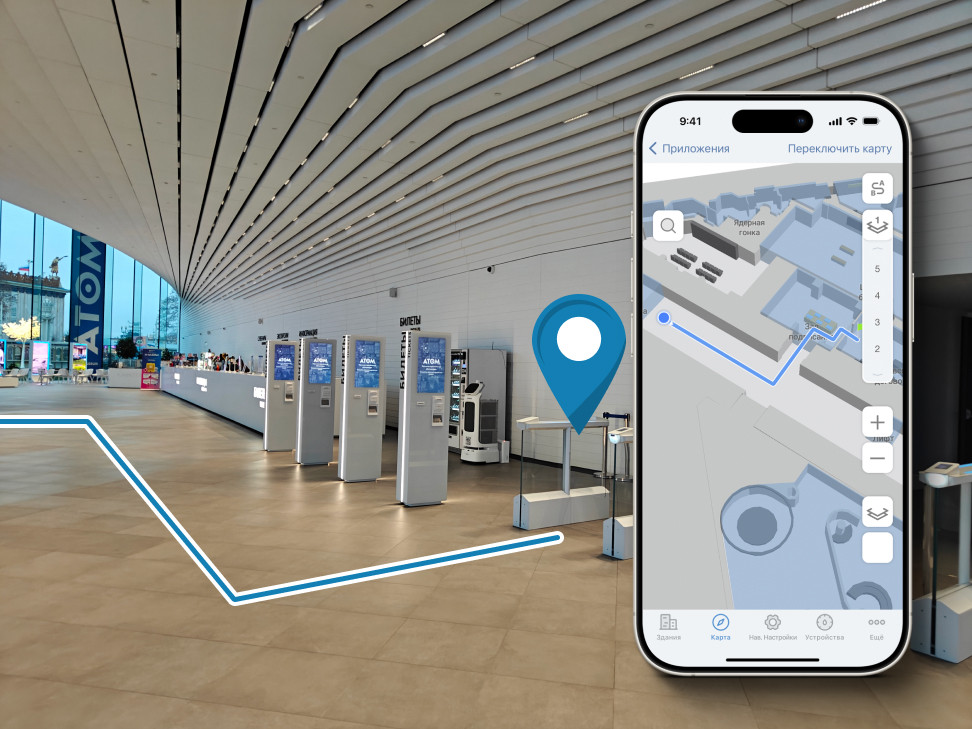
Indoors Navigation has implemented a project to integrate a modern digital navigation system in one of the new museums at VDNH, ATOM. The implementation was aimed at solving the key problem of the complex layout and number of floors that visitors faced, often losing their bearings and wasting time searching for the right halls or exits.
The main goal of the project was to transform the potentially confusing museum space into an intuitive and technological environment where each visitor could navigate independently and easily, without distracting staff, and fully focus on getting to know the exhibition.

by 10%
The workload
of the staff has decreased
by 20%
The positive
user experience has grown
by 2 times
The orientation
of visitors has accelerated
Solution description
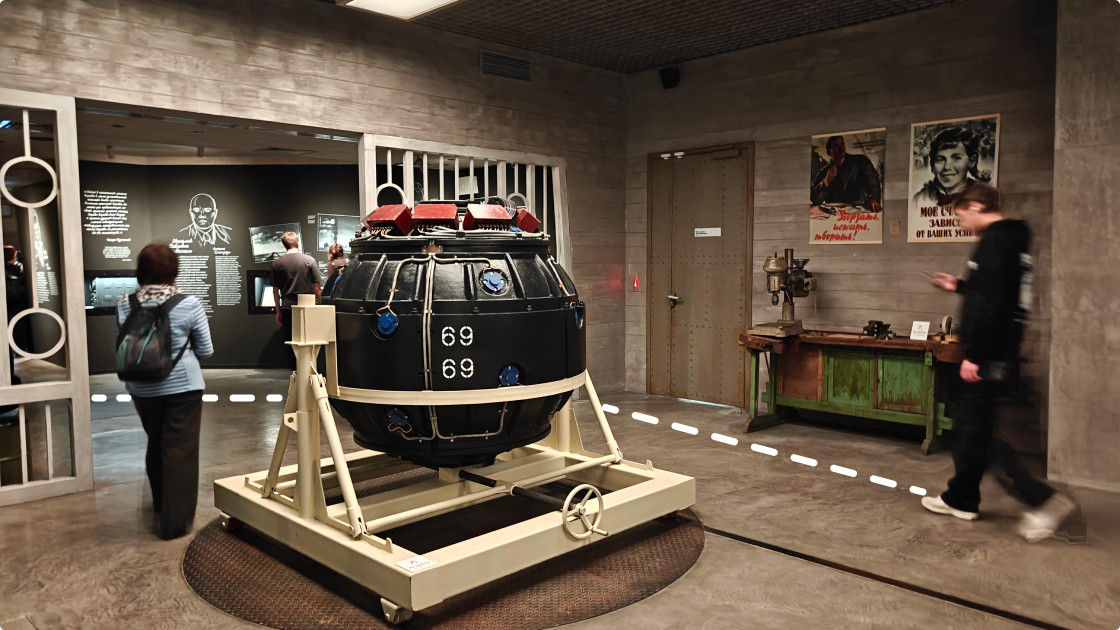
The project was based on the creation of a high-precision digital twin of the museum. Our specialists have digitized the entire ATOM space in detail, turning it into an interactive 3D map. Absolutely all the objects important to the guest were mapped on this map: not only the exhibition halls and exhibits, but also the entire service infrastructure.
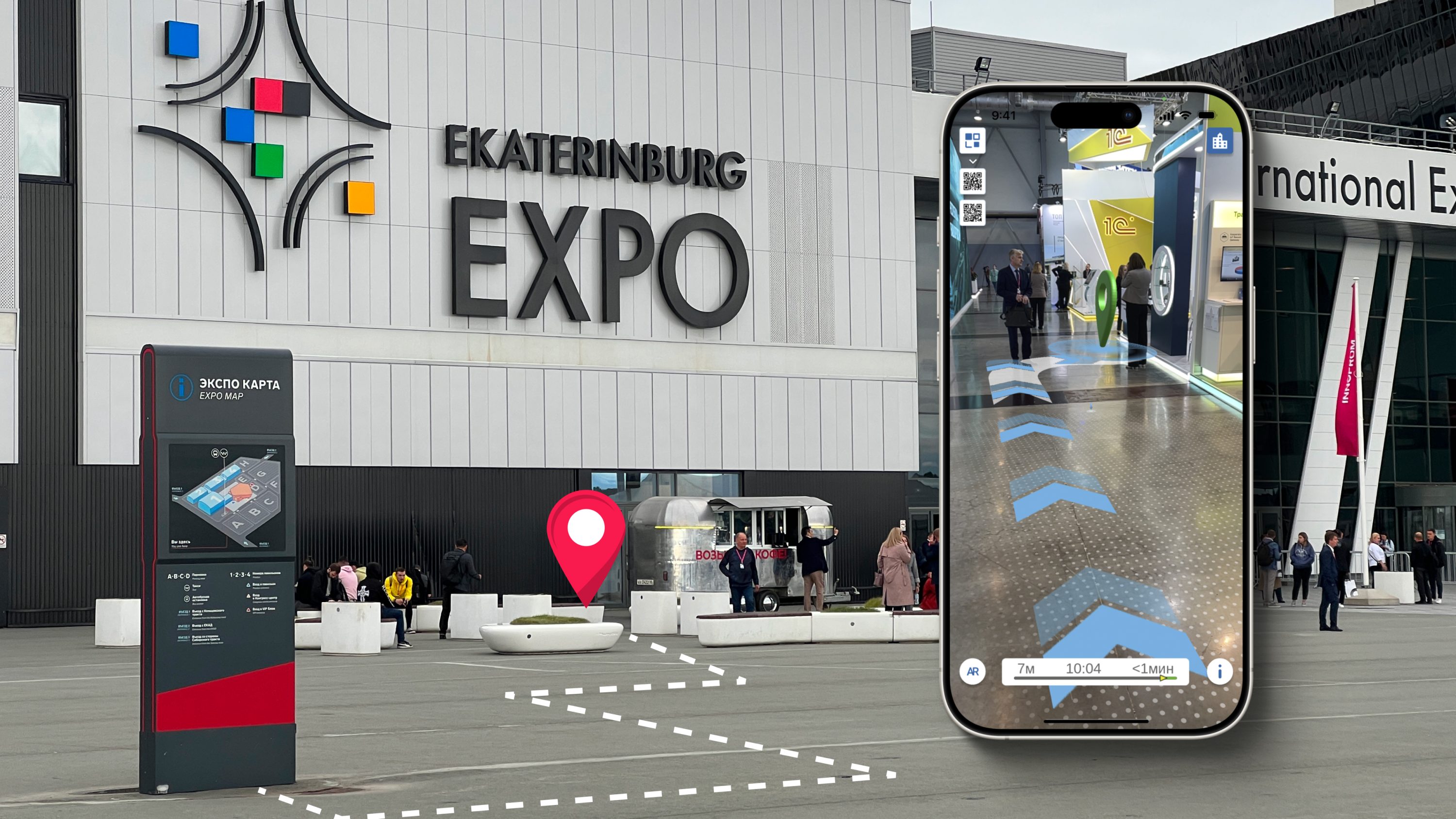
For the convenience of visitors, we have implemented accessible QR navigation. Now the guest of the museum does not need to download and study the mobile application in advance. To start using navigation, just hold your smartphone camera up to any of the QR codes posted throughout the museum.
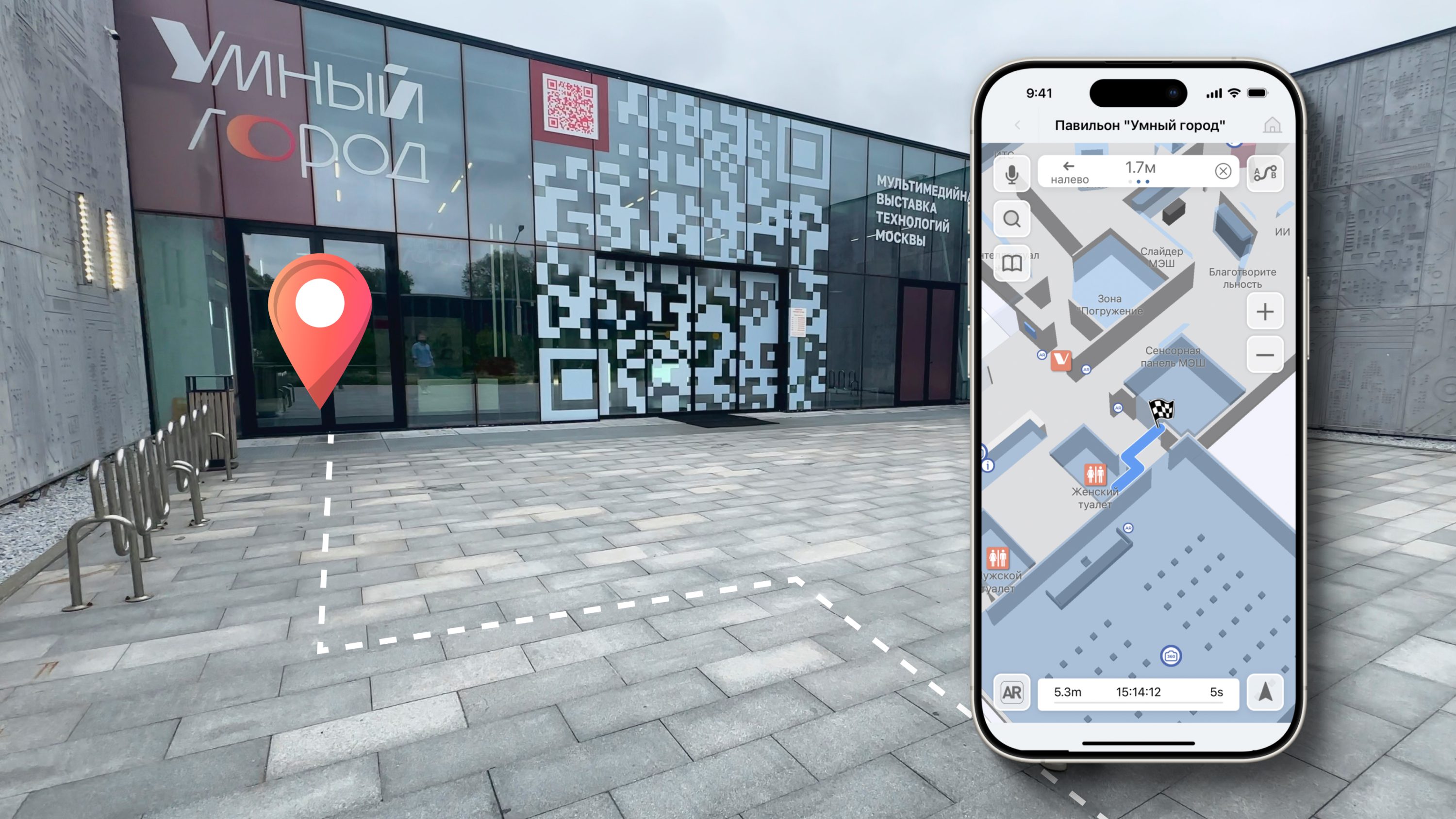
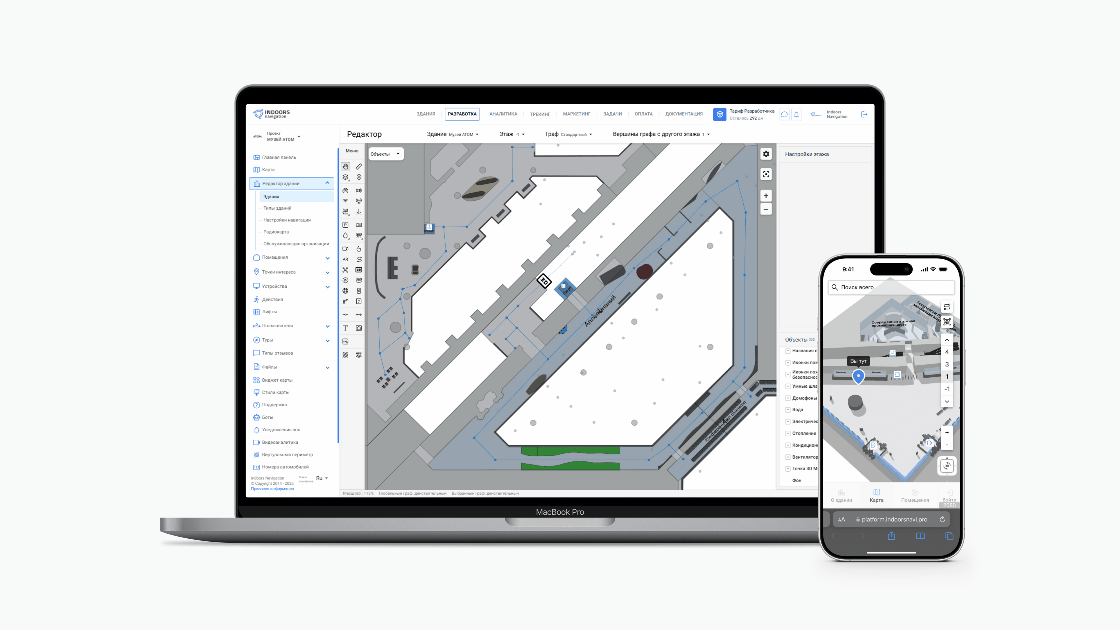
After scanning, a personal interactive map of the ATOM Museum is instantly downloaded in the phone's browser, where the system automatically detects the point "You are here". From here, the user can:
- Find any object of interest on the map: from a specific exhibit to the nearest toilet or exit.
- Set a clear step-by-step route from your current location to your chosen destination.
- Explore the layout of the entire museum, which is especially important for multi-level spaces.
Implementation results and benefits for museums
The solution implemented at the ATOM Museum demonstrates the key advantages of modern navigation systems for cultural and exhibition spaces.:
- Improving the autonomy and comfort of visitors. Visitors get full control over their route. The stress of getting lost disappears, and the need to constantly contact the caretakers or look for paper diagrams is reduced to zero. This allows the guests to focus on the content of the exhibit rather than on finding a way.
- Staff unloading: A significant part of routine spatial orientation issues is handled by a digital guide. This allows the museum staff (caretakers, administrators) to devote more time to fulfilling their direct duties: monitoring exhibits, advising on the content of exhibitions and providing high-quality service.
- Improving accessibility and modern image. The technological solution makes the museum more attractive to a young, digital audience and increases its accessibility to all categories of visitors. The museum is positioned as a modern, progressive institution that keeps up with the times.
- Scalability and flexibility. The map in the web interface is easily edited by the museum administration. When redeveloping halls, adding new exhibits or temporary exhibitions, the information on the digital map can be updated promptly, which is impossible with printed indexes.
Quotes:

Алексей Тарасов
Engineer of Interiors Navigation
The project at the ATOM Museum at VDNKh was an architectural challenge for us. We have created a perfectly accurate digital twin of a multi-level space, where each exhibit and transition have become part of an interactive map. But the main thing is that we have made the technology invisible and instant for the visitor: one QR code and the person is already on the route. Such projects prove that navigation in cultural spaces should be not just a function, but a natural part of the experience of visiting.

Светлана Селезнева
Employee of the ATOM Museum
Since the launch of Indoor Navigation, our work has changed dramatically. Previously, it took a lot of time to explain "how to get to the third hall" or "where to find the exit." Now guests simply scan the QR code and the card is always at hand. We can finally fully engage in what we work for at the museum: communicate with visitors about the exhibition, and not be living signposts. Technology has made the museum both more comfortable for the guests and more meaningful for us.
Result
The navigation project at the ATOM Museum is a clear example of how digital technologies gently and unobtrusively solve specific infrastructure problems, significantly improving the user experience. By turning the complex architecture of the exhibition space into an understandable digital environment, we help museums fulfill their main mission — to be open, accessible and comfortable for every guest, allowing art, history and science to speak directly to the viewer, without interference.
Do you want visitors to your museum, exhibition, or cultural center to stop getting lost and start getting more impressions?
Discuss with us the implementation of a modern navigation system for your space. We will create a digital solution that will make orientation easy, and the visit will be comfortable and memorable.
Navigation in the museum
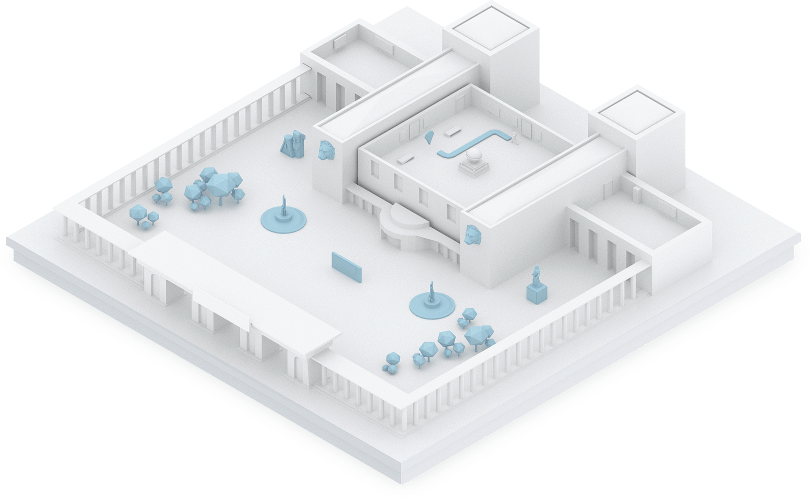
Museums and expocentres using modern geolocation technologies manage to make visits more exciting and interesting for the viewer, and the operation of the building more convenient and visual for the administration.
Thematic publications on our blog

Museums and exhibitions
10 examples where the developments and implementation of iBeacon technology could be useful: Museums and exhibitions. There are also zoos, water parks, art galleries and other facilities where you need to walk from place to place and read the captions to what you are looking at. The navigation service is able to turn this process into a pleasure, which means…
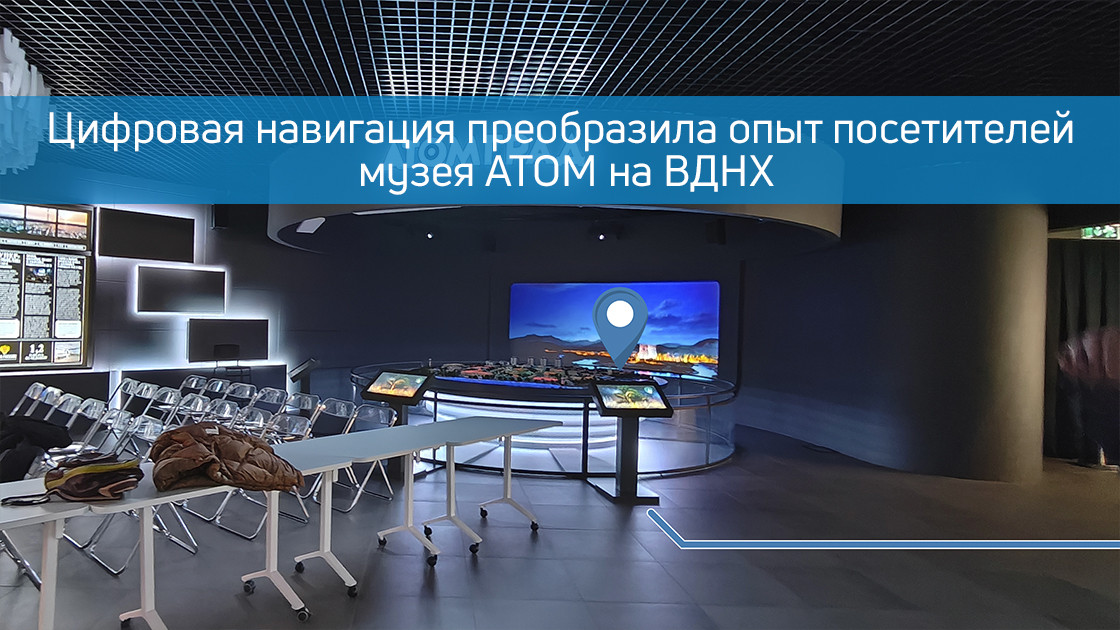
Цифровая навигация преобразила опыт посетителей музея АТОМ на ВДНХ
Представьте, что вы входите в современный музей, посвященный одной из самых сложных и фундаментальных тем — атомной энергии. Пространство наполнено интерактивными экспонатами, макетами, информационными стен…